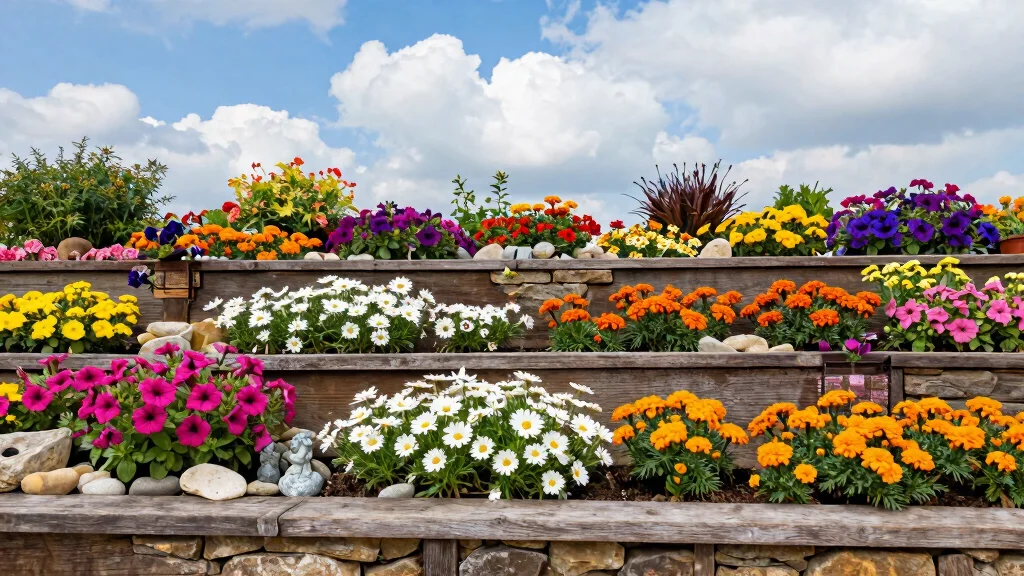
Creating a garden that stands out can feel like a daunting task. If you’ve ever stared at your yard, wishing for a little extra depth and drama, you’re not alone. Tiered flower beds may just be the answer to your garden woes. With their unique layers and artistic flair, these beds can transform an ordinary garden into a captivating landscape. This post aims to inspire you with nine innovative ideas for tiered flower beds that not only add visual interest but also invite you to explore the possibilities of vertical gardening.
If you’re a gardening enthusiast, a landscape lover, or someone who simply enjoys the beauty of nature, this guide is for you. Whether you’re a seasoned pro or just starting, you’ll find ideas that spark your creativity. The tiered flower bed concepts we’ll dive into are practical, aesthetically pleasing, and perfect for any outdoor space. Get ready to discover how to create stunning layers that will not only enhance your garden’s beauty but will also provide habitat for pollinators and add a touch of drama to your outdoor decor.
In this article, you’ll uncover unique styles of tiered flower beds—from rustic wooden designs to minimalist setups. You’ll learn how to incorporate vertical gardening techniques and even edible options, making your space both beautiful and functional. So grab your gardening gloves and get ready to plant some inspiration!
Key Takeaways
– Explore Unique Designs: Discover various styles of tiered flower beds, including rustic wood and stone creations, to suit your personal taste and garden aesthetic.
– Vertical Gardening Techniques: Learn how to maximize space and create visual interest by incorporating vertical gardening methods within your tiered beds.
– Practical Edible Options: Find out how to include edible flowers and herbs in your garden design, blending beauty with functionality.
– Seasonal Themes: Get inspired with ideas for seasonal themes that allow you to change your garden’s look throughout the year, keeping it fresh and engaging.
– Minimalist Approaches: Understand how minimalist tiered flower beds can simplify maintenance while still adding charm to your outdoor space.
Recommended Products
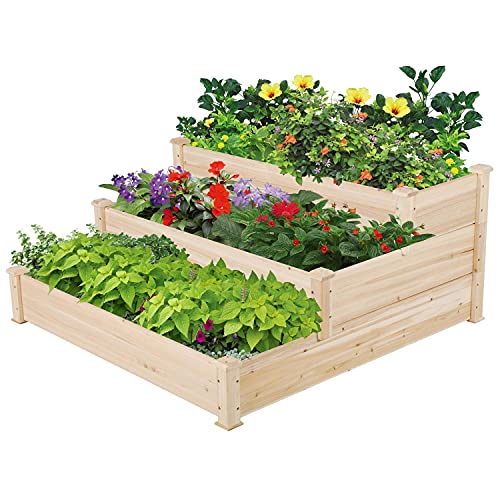
【Selected Materials】Made of natural fir wood without painting, this garden bed for horticulture is well sanded to ensure safe use. The 0.6" thick solid wood boards fixed by metal hardware are ready for long-term use.

🪴【Perfect Design】: The 3-tier planter box design will not take up too much floor space, which can separate and organize the sections as well as grow different kinds of plants. In addition, the trapezoidal design allows all plants to enjoy full sunlight for better growth. The box bottom of each tier is equipped with drainage holes to help drain excess water and prevent root rot.

Multi-tier Storage: Compact 3-tier plant stand lets you separate herbs and small green plants to build mini garden displays. Neatly organize your foliage without taking up extra space
1. Rustic Wooden Tiered Beds

Transform your garden with the inviting charm of rustic wooden tiered beds. These creations offer a warm, natural aesthetic that enhances your outdoor space. Using reclaimed wood not only adds character but also promotes sustainability, making your garden a greener place.
To maximize the beauty of these beds, consider mixing perennials and annuals to maintain vibrant colors year-round. This strategy ensures that your garden remains lively and colorful, no matter the season.
Key tips to enhance your rustic beds:
– Select native plants for lower maintenance.
– Add ground cover plants like creeping thyme to soften edges.
– Apply mulch to retain moisture and reduce weeds.
With a touch of creativity, you can personalize your wooden beds with paint or unique designs, reflecting your individual style.
Recommended Products

Stair-Step Frame: The overall size of the frame is 46" x 46" x 24"; The stair-step design maximizes use of vertical space, allowing each layer to hold enough soil, including drain system to avoid waterlogging; Ideal for plants with varying root lengths, providing ample room for plant growth and root respiration
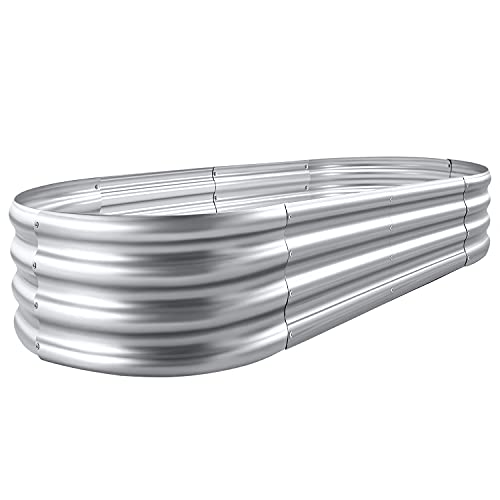
Each raised metal garden bed size: 4×2×1ft ,7.14Cu

【Perfect Design】-The perfect solution for any gardening enthusiast who wants to save space and grow plants in style! Our vertical garden planter is not only functional but also aesthetically pleasing, adding a touch of elegance to any outdoor or indoor space
Rustic Wooden Tiered Beds
Editor’s Choice

Yaheetech 8×2ft Wooden Horticulture Raised Garden Bed Divisible Elevate…


Back to The Roots Organic Flowers Seeds Variety (5-Pack)
2. Stone-Creative Tiered Gardens

Elevate your garden’s elegance with stone tiered flower beds. These sturdy structures, made from natural stone or bricks, create a beautiful contrast against the delicate blooms. Their durability ensures that they withstand the test of time while enhancing your garden’s visual appeal.
To achieve an eye-catching display, vary the heights of your beds and fill them with a mix of foliage and flowering plants for continuous interest. This approach not only beautifies your space but also provides a habitat for beneficial insects.
Landscaping tips for your stone beds:
– Add herbs like thyme and sage for texture and fragrance.
– Position taller plants at the back and shorter ones in front for visibility.
– Use decorative pebbles or gravel to enhance aesthetics.
This design enhances depth while creating a low-maintenance garden that flourishes through every season.
Recommended Products
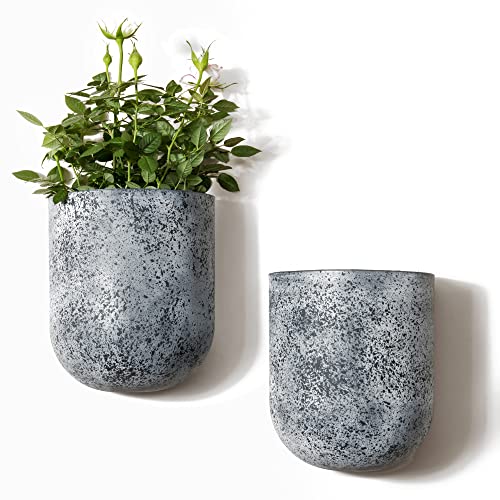
VERSATILE AND ELEGANT - Turn your greenery into wall art with our pocket-shaped hanging planter set. These wall planters are the perfect choice for showcasing a variety of plants such as pothos, spider plants, succulents, or cacti. They will add a touch of sophistication and beauty to any space, creating a stunning visual display. Size: 5.7L*4.1W*7H Inch.

Modern Wall Planters: Features a one-of-a-kind marbled look that will bring life to any interior or exterior wall, fence, or railing. Each comes with two screws for easy mounting.

Design: Wall mounted flower pots are suitable for indoor and outdoor decoration or office walls, saving space. It is also suitable for indoor plant wall pots and vertical wall flower pots
Stone-Creative Tiered Gardens
Editor’s Choice

EasyFlex No-Dig Landscape Edging with Anchoring Spikes, 2.7 in Tall Deco…

Arcadia Garden Products Set of 4, 16×17” Dark Gray Stepping Stone Fibe…

Miracle-Gro Organic Outdoor Potting Mix – Plant Soil for Outdoor Contain…
3. Elevated Planter Boxes
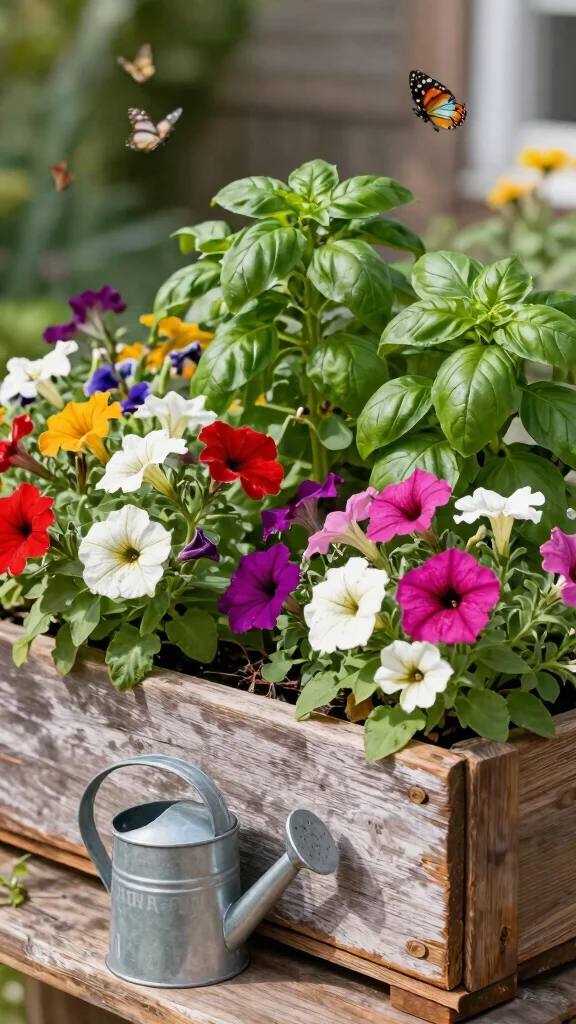
Discover a modern take on gardening with elevated planter boxes. These designs not only provide easy access for planting and maintenance but also add a stylish element to your outdoor area. Made from materials like metal, wood, or composite, they can be shaped to fit your unique garden layout.
Fill your planter boxes with a delightful mix of flowering plants and herbs for a stunning yet functional display. Using a drip irrigation system can ensure your plants remain hydrated, promoting healthy growth.
Unique insights for your elevated planters:
– Combine flowering plants and herbs for variety.
– Implement a drip irrigation system for hydration.
– Layer soil with organic compost for nutrients.
These planters save you from bending down, improve drainage, and offer flexibility in garden placement, making them a versatile choice.
Recommended Products

【Perfect Design】: The 3-tier planter box design will not take up too much floor space, which can separate and organize the sections as well as grow different kinds of plants. In addition, the trapezoidal design allows all plants to enjoy full sunlight for better growth. The box bottom of each tier is equipped with drainage holes to help drain excess water and prevent root rot.
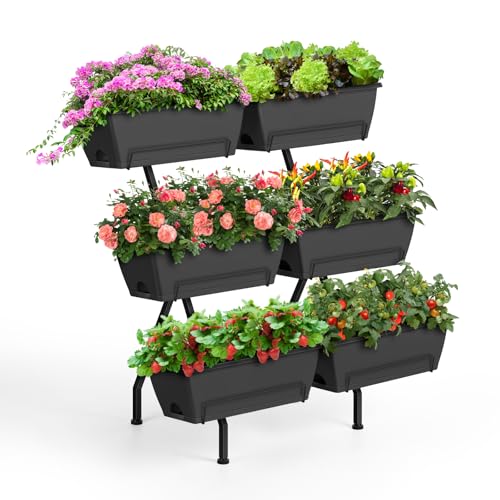
【Space-Saving Vertical Garden System】 Six stackable planters transform tight spaces into lush gardens – perfect for urban balconies, small patios, or indoor greenery. Strategically alternate herbs, flowers and vegetables across tiers to create your perfect mini ecosystem.

【4 Tier Vertical Raised Garden Bed】: Overall Dimensions: 16.8*18.3*41.5 inches. Each planter box size: 16.8*7.02*5.5 inches. This raised planter box works great on patios, balconies, decks and backyards. Designed vertically with proper height, it leaves ample growing space for lower-layer plants and saves you from frequent bending while gardening.
Elevated Planter Boxes
Editor’s Choice

Rain Bird LNDDRIPKIT Drip Irrigation Landscape/Garden Watering Kit with …

LEETOLLA Elevate 32″ Tall Raised Garden Bed Outdoor with Wheels & Shelf …

Rakukiri Raised Garden Bed GRS Certified Galvanized Planter Box Outdoor,…
4. Vertical Gardening with Tiered Planters
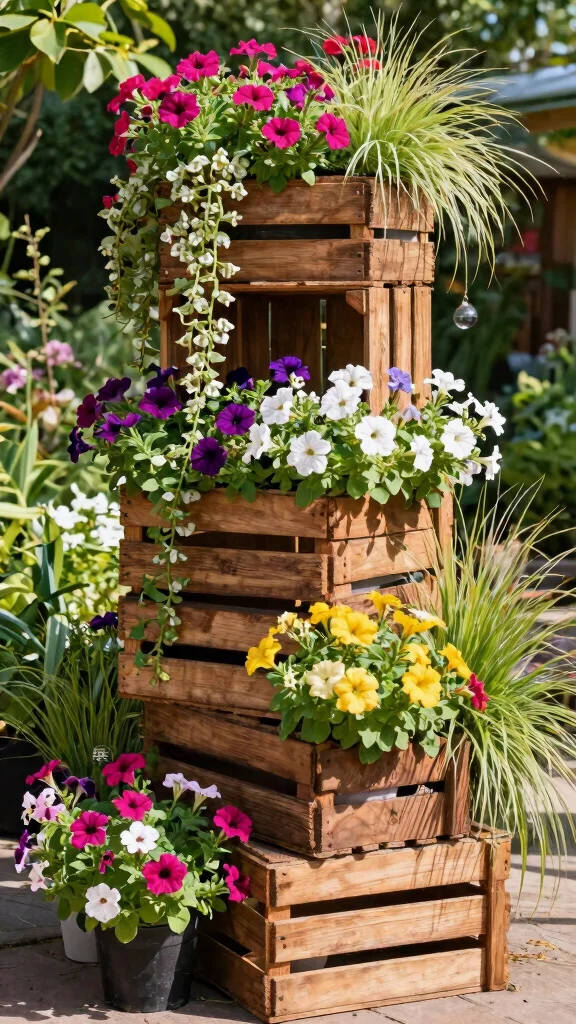
Make the most of your space with vertical gardening techniques using tiered planters. These stacked arrangements allow you to introduce layers of greenery while occupying minimal ground space. You can purchase commercial vertical planters or create DIY versions using old pallets or stacked crates.
Choose a variety of plants that thrive in similar sunlight conditions to ensure a successful garden. Adding trailing plants like ivy or sweet potato vine can enhance the visual appeal and dimension of your setup.
Gardening tips for vertical planters:
– Select plants that prefer the same sunlight.
– Incorporate trailing plants for added texture.
– Ensure proper drainage to avoid waterlogging.
This innovative approach adds height and modern flair, making it perfect for small gardens or urban settings.
Layer your greenery like a bookshelf: stack as you style with tiered planters, turning a tight corner into a lush focal point. Start with sun-loving plants, add trailing ivy, and watch your tiered flower beds thrive with minimal space.
Recommended Products

Space-Saving : This strawberry planter maximizes your gardening space by stacking 5 layers to grow more plants in a compact area. The strawberry tower planter is ideal for patios, balconies, or indoor use

【Tiered Vertical Raised Garden Bed】Split-level and ladder design can offer ample spce for plants to grow and plant on each tier can receive enough sunshine. In addition, the triangular design of the base legs makes the planter stand more stable when bearing weight.

【3 Tier Raised Garden Bed】The vertical garden planter adopts 3 tier design, so there is enough space to plant and divide vegetables, herbs, flowers, etc. Save a lot of space for you and keep your garden well organized.
Vertical Gardening with Tiered Planters
Editor’s Choice
Miracle-Gro Organic Outdoor Potting Mix – Plant Soil for Outdoor Contain…

TOREVSIOR 5-Tier Vertical Raised Garden Bed, Vertical Garden Planter wit…
5. Flowering Succulent Tiers

Consider a unique twist with tiered flower beds featuring flowering succulents. These hardy plants require minimal care while providing a stunning array of colors and textures. Their resilience makes them an excellent choice for low-maintenance gardening.
Mix leafy succulents with vibrant flowering varieties to keep your garden visually captivating. Using rocks or gravel as filler will also ensure effective drainage, crucial for succulent health.
Landscaping tips for succulent tiers:
– Combine leafy and flowering succulents for diversity.
– Use rocks or gravel for drainage.
– Position beds in sunny areas for optimal growth.
This eye-catching option conserves water and adds a striking visual element, making your garden truly stand out.
Recommended Products

Space-Saving 3-Tier Design: The 3-tier planter box design will not take up too much floor space, which can separate and organize the sections as well as grow different kinds of plants. The trapezoidal design allows all plants to enjoy full sunlight for better growth. The box bottom of each tier is equipped with drainage holes to help drain excess water and prevent root rot
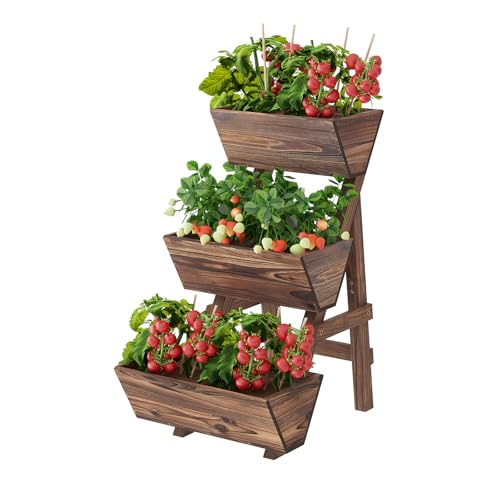
Space-Saving 3-Tier Design: The 3-tier planter box design will not take up too much floor space, which can separate and organize the sections as well as grow different kinds of plants. The trapezoidal design allows all plants to enjoy full sunlight for better growth. The box bottom of each tier is equipped with drainage holes to help drain excess water and prevent root rot
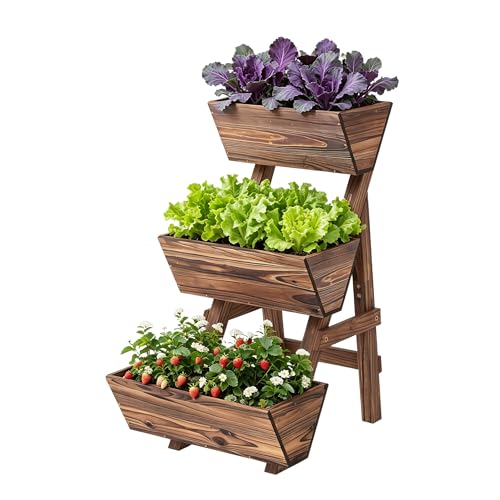
【Space-Saving 3-Tier Design】: The 3-tier planter box design will not take up too much floor space, which can separate and organize the sections as well as grow different kinds of plants. The trapezoidal design allows all plants to enjoy full sunlight for better growth. The box bottom of each tier is equipped with drainage holes to help drain excess water and prevent root rot
📹 Related Video: How to Create Height in a Succulent Arrangement! 🌱🥰💚// Garden Answer
Flowering Succulent Tiers
Editor’s Choice

iDavosic.ly Plant Stand Indoor Outdoor, 5 Tier Corner Metal Flower Displ…

Shop Succulents Assorted Succulent Plant Pack Collection – Live Mini Suc…

40 LBS Grey Pea Gravel – Landscape Rocks – Drainage Rock – Gardening – A…
6. Herb Spiral Gardens
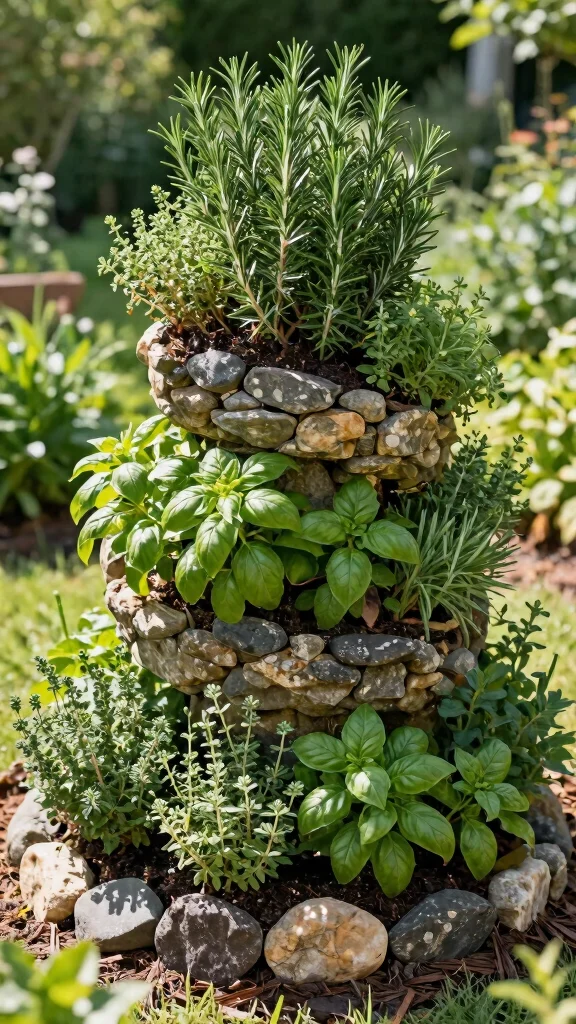
Create a herb spiral to incorporate tiered gardening while cultivating your favorite culinary herbs. This innovative design maximizes vertical space, allowing you to grow various herbs in a compact area. Positioning the spiral to catch sunlight ensures all herbs receive the light they need to flourish.
Mixing annual and perennial herbs will provide continuous harvests throughout the year. Surrounding the spiral with stones or decorative mulch enhances visual appeal and helps retain moisture.
Unique insights for herb spirals:
– Place the spiral in a sunny spot for optimal growth.
– Combine annual and perennial herbs for variety.
– Use stones or mulch for aesthetics and moisture retention.
This creative approach enhances your culinary options while adding an intriguing feature to your garden.
Turn a small patch into a herb spiral that elevates your tiered flower beds—watch how sunlight catches every level and doubles your harvest. Mix annuals with perennials for year-round flavor and a compact, dramatic garden that practically feeds itself.
Recommended Products

Natural Fir Wood Construction: Made of unpainted natural fir wood, this raised garden bed is well sanded for safe use. Thick solid wood boards are fixed with metal hardware, providing a stable structure for long-term outdoor use. The natural wood grain adds a rustic look to your garden or patio.

More suitable raised garden bed size and Volume:67"L x 20"W x10"H, 7 Cu. Ft. You can cultivate plants, like vegetables, flowers, herbs in your patio, yard, garden, and greenhouse.

Natural Wooden Construction: Made from natural fir wood without harmful painting for a rustic, natural look.
Key Trade-offs & Our Top Pick
Rustic Wooden Tiered Beds
– Pros:
– Warm and inviting look that enhances any garden design.
– Easy to build with basic tools and materials.
– Great for a variety of plants, from flowers to small shrubs.
– Cons:
– Wood may rot over time, requiring maintenance or replacement.
– Vulnerable to termites and pests if not treated.
– Can absorb moisture, which might lead to mold in damp climates.
– Best for: Homeowners looking for a cozy, natural feel in their outdoor space.
Stone-Creative Tiered Gardens
– Pros:
– Durable and long-lasting, resisting weather conditions well.
– Adds a unique aesthetic with different textures and colors.
– Provides excellent drainage for plant roots.
– Cons:
– Heavy materials can be tough to move or install.
– Higher upfront cost due to purchasing stone.
– Requires more planning and design skill for proper layout.
– Best for: Gardeners who want a permanent, sophisticated tiered design that stands out.
Vertical Gardening with Tiered Planters
– Pros:
– Maximizes space, ideal for small yards or urban settings.
– Offers an opportunity to grow more plants in less area.
– Easier to access for maintenance and harvesting.
– Cons:
– May require more frequent watering due to rapid drainage.
– Limited plant choices that can thrive in smaller planters.
– Initial setup can be more complicated and time-consuming.
– Best for: Urban gardeners or those with limited space wanting to grow a variety of plants.
Herb Spiral Gardens
– Pros:
– Efficient use of space, perfect for herb enthusiasts.
– Provides different microclimates for growing a variety of herbs.
– Very low maintenance once established.
– Cons:
– Initial construction can be labor-intensive.
– Not ideal for larger plants that need more space.
– Can take time to find the right balance of moisture and sunlight.
– Best for: Gardeners focused on growing herbs and culinary plants in a compact area.
Minimalist Tiered Flower Beds
– Pros:
– Clean lines and simple design fit well in modern settings.
– Requires less material, making it budget-friendly.
– Easy to maintain and rearrange as needed.
– Cons:
– May lack the lushness of more complex designs.
– Limited variety of plants due to spacing issues.
– Might not provide as much visual interest without careful plant choice.
– Best for: Those who prefer a sleek, uncluttered garden aesthetic.
Best Overall: Rustic Wooden Tiered Beds
The rustic wooden tiered beds stand out as the top choice for most gardeners. They offer great value for money and are relatively easy to construct. Their versatility allows you to plant a wide range of flowers and even small shrubs, making them a wonderful choice for anyone looking to add warmth and charm to their garden. With proper care, they can also last several seasons, providing both beauty and functionality for years to come.
Why We Picked This:
While rustic wooden beds are our favorite, some may prefer stone or vertical gardening for their specific needs. If you want a low-maintenance option with a unique look, stone beds might be perfect for you. Conversely, if space is your main concern, then vertical gardening will allow you to maximize your planting area effectively. Choose the option that best fits your gardening style and goals!
Recommended Products

INDOOR & OUTDOOR USE: vertical wall hanging planter made of high quality durable PP resin material, safe and non-toxic, this polypropylene resin planter is a tough, lightweight , all-weather durability with UV protection for outdoor use, an alternative to clay or ceramic planters. Pull out drainage plug to allow for the removal of excess rainwater when installed outdoors. Install drainage plug when used indoors. SIZE (L*W*H): 8.1"x4.7"x6.8"; 4 x “S” hooks of stainless steel included.

Show Stopper: An elegant, eye-catching piece that's sure to stand out. Mount it to your wall and bring more calm into your indoor urban jungle, home, office, or retail space.
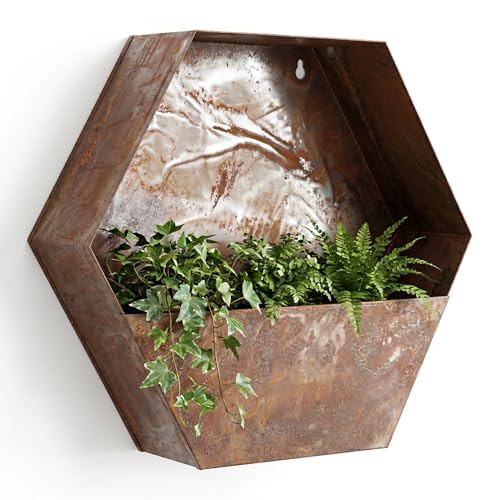
Rustic Patina Finish Design:Featuring a unique hexagon shape with a rustic patina finish, this metal wall planter adds vintage industrial charm to any indoor or outdoor space. A stylish accent for farmhouse, modern, or rustic décor.
Herb Spiral Gardens
Editor’s Choice

Back to the Roots 25.7qt (1 Cubic ft) Organic Premium Mulch

Seed Needs Herb Seeds Variety Pack Culinary Herb Collection (12 Individu…
TOREVSIOR 5-Tier Vertical Raised Garden Bed, Vertical Garden Planter wit…
7. Tiers with Edible Flowers
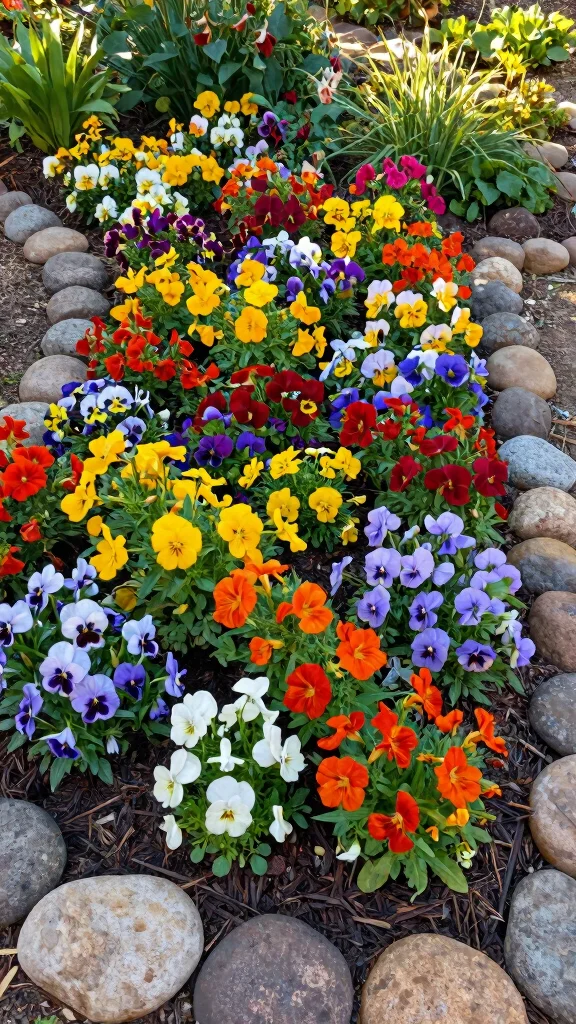
Enhance your garden by incorporating edible flowers into your tiered beds. Flowers like nasturtiums, pansies, and calendula bring vibrant colors and can be used to elevate your salads and desserts. This blend of beauty and utility adds a delightful touch to your outdoor space.
Mix these edible flowers with traditional plants to create an attractive and functional landscape. Establishing a rotation schedule can ensure you enjoy their beauty and flavor throughout the seasons.
Gardening tips for edible flower beds:
– Combine edible flowers with traditional plants for variety.
– Schedule rotations to enjoy blooms all year.
– Use companion planting techniques for growth enhancement.
This unique fusion of aesthetics and practicality will delight both your senses and your palate.
Recommended Products

【Solid Stability Triangular Frame】 Engineered with a heavy-duty triangular metal frame and dual-column construction, this vertical gardening system outperforms flimsy single-pole stands. The reinforced joints and crossbar supports prevent swaying - even when fully loaded with soil and climbing plants like tomatoes or ivy. Perfect for outdoor vegetable planters or vertical indoor gardens.


【3 Tier Raised Garden Bed】The vertical garden planter adopts a tiered design, so there is enough space to plant and divide vegetables, herbs, flowers, etc. Save a lot of space for you and keep your garden well organized.
Tiers with Edible Flowers
Editor’s Choice

Seed Needs Edible Wildflower Seed Packet Collection (7 Varieties of Flow…
8. Seasonal Theme Tiers

Create seasonal-themed tiered flower beds that evolve with the seasons. By selecting plants that bloom at various times, you can keep your garden dynamic and inviting all year long. This thoughtful approach ensures that your outdoor space remains vibrant and engaging as the seasons change.
In spring, you might choose tulips and daffodils; for summer, opt for zinnias and sunflowers; and in the fall, introduce asters and ornamental cabbages. Incorporating foliage that changes color adds further interest to your garden.
Unique insights for seasonal tiers:
– Plant spring blooms like tulips and daffodils.
– Use fall decorations like pumpkins for seasonal flair.
– Incorporate color-changing foliage for year-round interest.
This approach keeps your garden fresh, allowing you to celebrate the beauty of each season through your tiered beds.
Did you know that staggered bloom timings in tiered flower beds can deliver color for 9 months straight? By choosing bulbs, perennials, and annuals that peak at different times, your garden stays vibrant—from spring tulips to fall asters.
Seasonal Theme Tiers
Editor’s Choice

Complete Spring and Fall Flower Garden | 50 Fresh Bulbs | Bloom All Spri…

Raised Garden Beds with 6 Garden Planter Boxes Indoor Outdoor Vertical R…
9. Minimalist Tiered Flower Beds

If you prefer a modern aesthetic, minimalist tiered flower beds may be just what you need. These beds typically showcase clean lines and simple plant selections, creating an elegant look that is easy on the eyes. This streamlined approach emphasizes the beauty of the flowers without overwhelming your landscape.
Consider opting for a monochromatic color palette for a sophisticated touch. Geometric shapes can reinforce the minimalist theme, while low-maintenance plants like ornamental grasses will keep your garden looking pristine.
Landscaping tips for minimalist designs:
– Adopt a monochromatic color palette for elegance.
– Use geometric shapes for tier arrangements.
– Choose low-maintenance plants for easy care.
The result is a chic and airy space that highlights the natural beauty of your flowers.
Minimalist Tiered Flower Beds
Editor’s Choice

VANTREE 8PCS Artificial Plants, Shrubs Wheat Grass Greenery Stems for Ho…

Modern Geometric Ceramic Succulent Pots 3″ Planters with Drainage | Bamb…
Conclusion

Incorporating tiered flower beds into your garden design can transform your outdoor space into a vibrant paradise.
With these nine creative ideas, you can mix textures, colors, and themes to create a garden that reflects your personal style while maximizing your available space. Don’t be afraid to experiment with different plants and configurations to find what works best for you. Happy gardening!
Note: We aim to provide accurate product links, but some may occasionally expire or become unavailable. If this happens, please search directly on Amazon for the product or a suitable alternative.
This post contains Amazon affiliate links, meaning we may earn a small commission if you purchase through our links, at no extra cost to you.
Frequently Asked Questions
How do I get started with tiered flower beds to add depth and drama to my garden?
Getting started with tiered flower beds is easier than you might think. Start by measuring your space and sketching where each tier will sit to maximize sun exposure. Choose a frame you can trust for outdoor use—wood, metal, or sturdy pallets all work for vertical gardening.
Plan levels that are accessible for planting and maintenance, and ensure good drainage by adding a base layer of gravel or a breathable landscape fabric under a soil mix designed for raised flower beds.
Finish with a simple irrigation plan, like a drip line or soaker hose, and think about how you’ll pair upright and trailing plants to emphasize depth. This approach aligns with smart garden design ideas and landscaping tips to create dramatic tiered flower beds that fit your space.
Which plants work best for tiered flower beds and how should I arrange them in a vertical gardening setup?
Look for plants that fit the light levels in each tier and stay tidy in a smaller footprint. Favor compact varieties that perform well in raised or tiered beds, and mix upright specimens with trailing or mounded ones to create layers.
For sunny spots, try lavender, salvias, and geraniums; for shade sections, hostas, ferns, and heuchera can shine. Group plants by their water needs and sun exposure, place taller selections toward the back, and leave room for air circulation. With these plant choices, you’ll boost your garden design ideas and landscaping tips through thoughtful vertical gardening.
What’s the best way to ensure drainage and prevent soil erosion in tiered and raised flower beds?
To protect tiered beds from erosion and soggy bottoms, start with a proper drainage setup. Line the bottom with a layer of coarse gravel or broken pottery, then add a breathable soil mix suited for raised flower beds. A layer of landscape fabric can help keep soil in place while letting water drain freely.
Create a slight outward slope so water moves away from the center, and mulch generously to reduce erosion and evaporation. Consider a small drip irrigation system with a moisture sensor to water evenly and prevent puddling. These steps are classic landscaping tips for durable, healthy tiered beds.
What maintenance steps keep tiered flower beds healthy and vibrant over the seasons?
Maintenance is the secret to longevity. Start with a simple routine: check moisture levels twice a week in peak season, weed regularly, and prune spent blooms to encourage new growth. Refresh mulch every season and top up soil in deeper tiers as needed.
Inspect the frame or supports for looseness, keep drip lines clear, and rotate annuals so you don’t deplete soil nutrients. A quick winterize with protective mulch or temporary covers helps keep your tiered flower beds looking great year-round. This aligns with effective garden design ideas and practical landscaping tips.
Can tiered flower beds fit in a small urban space, and how can I maximize accessibility and outdoor decor?
Absolutely. Tiered flower beds are a smart solution for small urban spaces because they bring vertical impact without taking up much ground. Use modular or wall-mounted tiers to save floor space and keep the pathway clear for accessibility. Aim for planters at a comfortable height—neither bending nor reaching too high—and leave a clear central path for maintenance. Choose a cohesive color story and incorporate outdoor decor elements like edging, subtle lighting, or decorative stones to enhance the overall look. With thoughtful layout, you’ll maximize vertical gardening impact while keeping your space welcoming and easy to enjoy, a perfect fit for raised flower beds and garden design ideas in tight spaces.
Related Topics
tiered flower beds
vertical gardening
raised flower beds
garden design
landscaping tips
outdoor decor
beginner friendly
easy gardening
seasonal flowers
drama in gardens
colorful blooms
creative landscaping